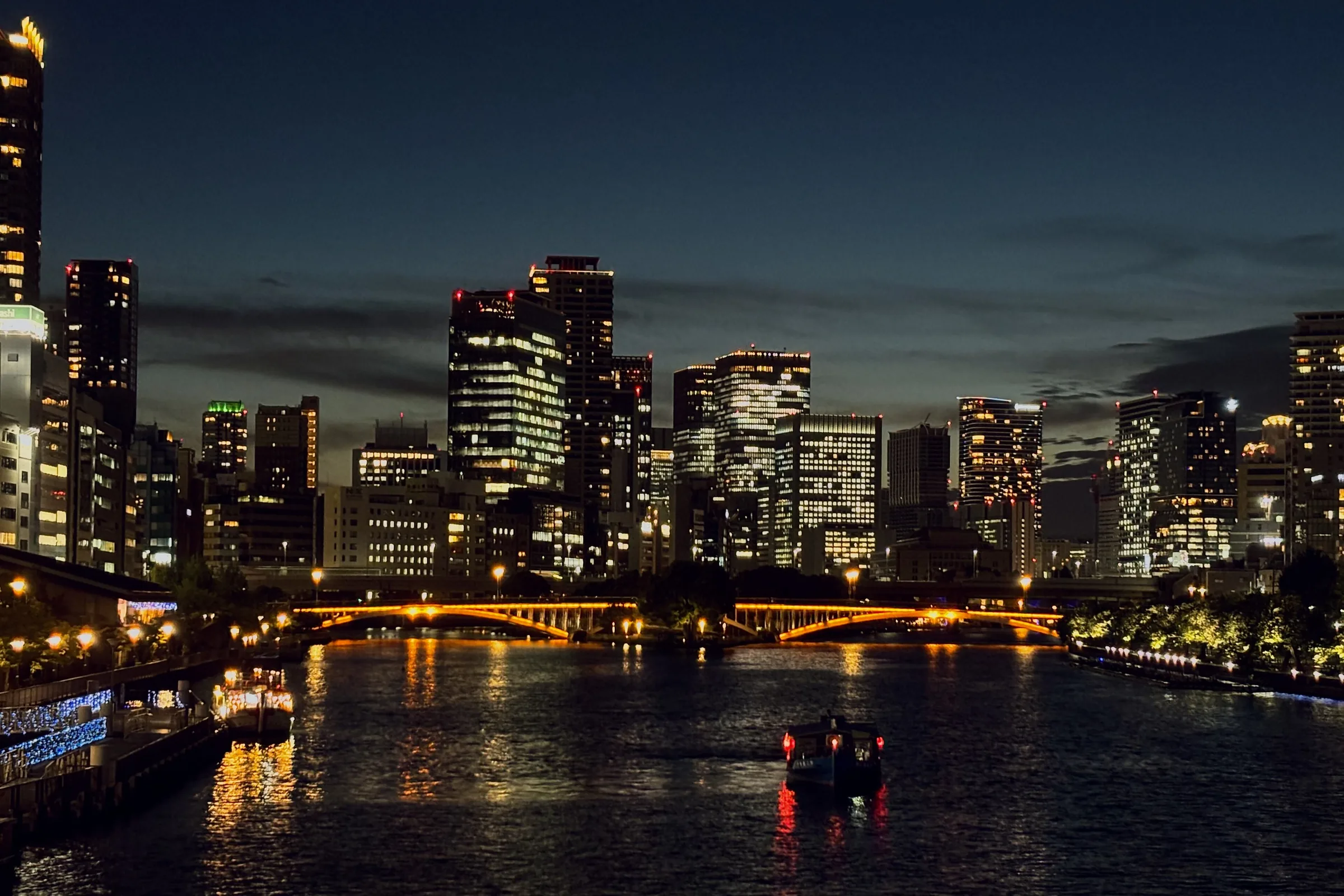
Osaka is the city Japan eats in. It is usually cheaper and more informal than Tokyo, and it makes a practical base for Kyoto, Nara and the west. Three to six days is enough for the food, the castle and a neighbourhood or two, without pretending it is a temple city.
Is Osaka right for you?
Where Kyoto preserves and Tokyo accelerates, Osaka simply lives, usually around a grill. It was the merchant capital of feudal Japan, and that character never really left. People talk to strangers, and they judge a restaurant by the queue as much as by the menu. Dotonbori’s neon, the castle keep and the retro lanes of Shinsekai sit inside a working city that generally costs less than Tokyo.
It suits first-time visitors who want energy without quite so much formality, food lovers at every budget, families, and solo travellers who like a counter seat. It is also the obvious base for Kyoto, Nara, Kobe and a later hop to Hiroshima. Think twice if you came mainly for temples and silence (Kyoto is close and does that better), if you cannot tolerate July and August humidity, or if you expect reserved service at every turn. Osaka is warm, and it is blunt.
What does Osaka actually cost?
For a stay-length budget, start with the daily ranges in the First-Time Japan budget section, then multiply by your nights in Osaka. A tight daily estimate is from approx. approx. A$64 a day (about 7,000 yen), or from approx. approx. A$64 to approx. A$101 (about 7,000 to 11,000 yen) for a budget traveller. Those are estimates, not a booking quote. Comfort and premium stay totals are not listed here.
One official figure we could check: admission to Osaka Castle Museum (the main keep) is 1,200 yen for adults from 1 April 2025, with discounts for students who show ID. The park around the castle is separate from the keep ticket. See the sourced table below.
What should I book first?
- Flights: Kansai International Airport (KIX) is the usual arrival. The Haruka and Nankai airport trains are the standard options. JR West’s discounted HARUKA one-way ticket for overseas visitors is 1,900 yen to Shin-Osaka or Osaka and 2,700 yen to Kyoto (prices for tickets bought from 1 November 2026), and Nankai’s Rapi:t digital ticket to Namba is 1,410 yen in a regular seat. Both are in the sourced table below.
- Hotels: book early in blossom and autumn weeks. Namba and Umeda are the two straightforward bases. Tennoji is often better value.
- Experiences: Universal Studios Japan and popular food tours sell out. Street food itself does not need a reservation.
- Rail pass: useful only if Osaka is one stop on a longer Shinkansen trip. An ICOCA card covers the city.
- Car hire: you do not need a car in Osaka.

When should I go, and what should I do?
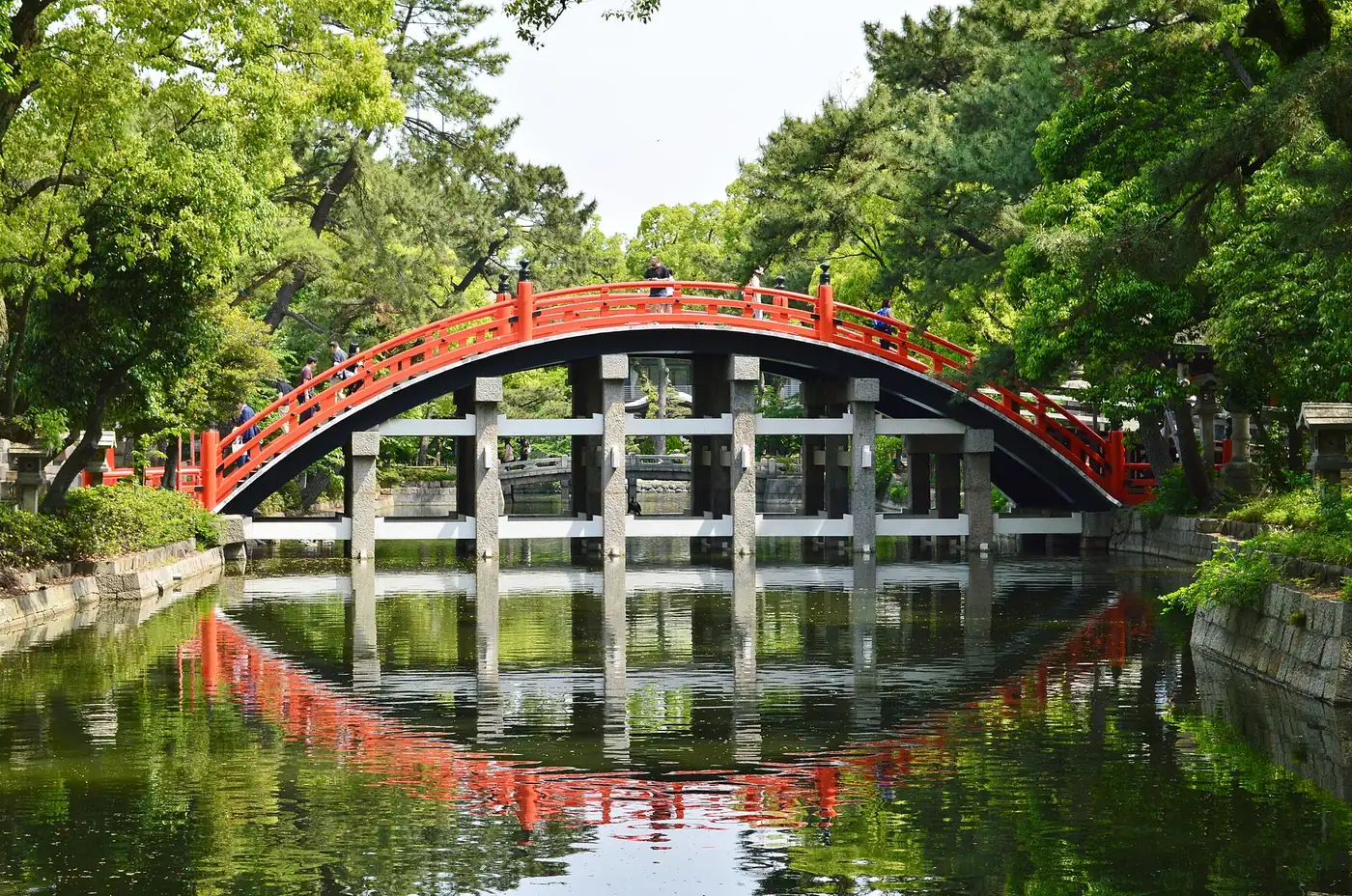
March to May and October to November are the most comfortable months. Summer is harsh. Eat first: okonomiyaki, takoyaki, kushikatsu and local ramen are the point of the city, not a side note. Walk Dotonbori, then leave it for Shinsekai, Kuromon Market or Sumiyoshi Taisha if you want a less theatrical hour. The castle keep is a museum with a view; budget time for the park as well as the ticketed tower.
Where should I go next?
Kyoto is a short train ride. Nara is the natural temple day. Hiroshima is the westbound Shinkansen continuation. Tokyo is where many trips begin rather than end. The full journey, including Osaka, is:
Visiting in spring? Our 2027 cherry blossom guide has average bloom dates for Osaka. For a full route that includes Osaka, see our 7, 10 and 14-day Japan itineraries.
Is there a useful official video for this place?
How do I get there from Australia or elsewhere?
The official airline and airport notes, including Qantas, ANA and JAL’s current winter timetable, are in the First-Time Japan guide and in the sourced table on this page where they apply. Flying times are not quoted here; check the airline site for current durations when you book.
Kansai International Airport (KIX) is the usual international arrival for Osaka. If your ticket lands in Tokyo, you can continue west by Shinkansen. Check current transfer times on the operator site.
Where should I stay in Osaka?
Umeda and the Osaka Station area are convenient for arrivals, the Shinkansen at Shin-Osaka (a short hop) and a slightly more business-hotel feel. Namba and Dotonbori put you in the middle of the evening food streets, which some people love and others find noisy. Tennoji is a little quieter, with good rail connections toward Nara and the south of the city. If Kyoto mornings matter more than Osaka nights, sleep in Kyoto and come here for dinner. Check live rates on the hotel search for the neighbourhood you prefer.
How do I get around once I arrive?
A stored-value IC card is the simplest way to ride trains and buses, and to pay at many convenience stores. Official Welcome Suica and visitor ICOCA prices are in the First-Time Japan guide and, where they apply, in the sourced table on this page. Yen figures below were last checked 14 November 2026; Australian dollar conversions are approx.
Osaka is well covered by a stored-value IC card such as ICOCA. The official visitor ICOCA sold at Kansai-airport Station is 2,000 yen (approx. approx. A$18.42), including a 500 yen deposit. Check the official Osaka Amazing Pass page for current prices and inclusions if you are considering a sightseeing pass.
What does a two or three day Osaka plan look like?
Treat this as a loose sketch. Osaka is easy to over-plan around food, so leave gaps.
Day 1. Walk a market and a neighbourhood that is not only Dotonbori, then go back to the neon in the evening if you want it. Day 2. See the castle park and keep, or head to Sumiyoshi Taisha for a slower shrine hour, and eat at lunch when kitchens are busy rather than late. Day 3. Day-trip to Nara or Kyoto, or stay in the city if you would rather not rush. Hiroshima is better as an overnight than as a squeezed add-on.
What is Osaka like to eat?
Osaka is the easy eating city on this route. Okonomiyaki, kushikatsu, takoyaki and local ramen are the usual first stops, sold at ordinary counters as well as in the busier tourist streets. Go at lunch or early evening if you want a seat without a long wait. Dessert and street snacks are everywhere; they are treats, not a nutrition plan. If nightlife and food matter more to you than temples, give Osaka the later nights and use Kyoto or Nara for the quieter mornings.
What etiquette should I actually bother with?
A little goes a long way. Say sumimasen and arigatou, take your shoes off when you see a step or a rack, and keep phone calls off quiet train carriages. At shrines and temples, follow the posted path and do not block the offering box for a photo. Cash is still useful for small places. Tattoos can be an issue in some public baths; ask when you book, or choose a room with a private bath.
Osaka is a little more informal than Kyoto, but station manners and shoe rules are the same. A busy grill is not an excuse to leave bags in the aisle.
What mistakes do first-time visitors make?
The usual ones are packing the days too tightly, buying a nationwide rail pass without doing the maths, and arriving without a way to pay for a train. Get the IC card or pass sorted on day one. People also underestimate summer heat and leave a mountain night or Hiroshima as a maybe that never happens. Book the rooms that will sell out, and leave some afternoons unplanned.
In Osaka, the special mistake is eating only in the busiest neon street and missing the quieter kitchens a few blocks away, or squeezing Kyoto, Nara and Hiroshima into the same short stay.
How do I book flights and hotels?
The flight search below is set to Osaka (OSA), which covers Kansai International Airport. Search links below open Aviasales with a departure city near you (Sydney if we cannot tell), and Trip.com’s hotel search for your region. These are starting points, not quotes.
Which figures have been checked against official sources?
Yen amounts below are as published on the official pages, last checked 14 November 2026. Australian dollar figures are approx. conversions using the ECB reference rate via Frankfurter on 13 November 2026 (1 AUD = 108.56 JPY). They are estimates, not a ticket price.
| Item | Official figure | Source |
|---|---|---|
| Osaka Castle Museum (main keep), adult admission | 1,200 yen (approx. approx. A$11.05); university and high-school students 600 yen with ID; junior high and younger free with proof of age. Hours 9:00-18:00, last entry 17:30. Closed 28 December to 1 January. | Osaka Castle Museum (Main Tower), user guide |
| Japan Rail Pass, ordinary adult, official online purchase | 7-day 50,000 yen (approx. approx. A$461); 14-day 80,000 yen (approx. approx. A$737) | JR Group, Japan Rail Pass types and prices |
| Visitor ICOCA (original design), JR West, Kansai-airport Station | 2,000 yen (approx. approx. A$18.42), including a 500 yen deposit. One per person, Temporary Visitor status, non-Japanese passport. Sold at the JR Ticket Office at Kansai-airport Station. | JR West, ICOCA |
| HARUKA discounted one-way ticket (JR West), tickets bought from 1 November 2026 | Kansai Airport to Tennoji 1,600 yen (approx. approx. A$14.74); to Shin-Osaka or Osaka 1,900 yen (approx. approx. A$17.50); to Kyoto 2,700 yen (approx. approx. A$25). Foreign passport and Temporary Visitor status required. | JR West, HARUKA One-way Ticket |
| Nankai Rapi:t digital ticket, Kansai Airport to Namba | Regular seat 1,410 yen (approx. approx. A$12.99) adult; Super Seat 1,590 yen. | Nankai, Rapi:t Digital Ticket |
Frequently asked questions
How many days do you need in Osaka?
Three to six days is the usual stay. Two days covers food and one major sight. Use extra time for Nara, Kyoto or a slower neighbourhood day.
Is Osaka cheaper than Tokyo?
Usually, yes, for rooms and everyday meals. That is an editorial observation from our existing guide, not a formal price index.
Should I stay in Osaka to see Kyoto?
You can, and many people do. Just do not treat Kyoto as a late-morning day trip only. Kyoto is better at opening time.
Do I need a rail pass for Osaka?
Not for the city itself. Buy a pass only if your Shinkansen legs justify the official price.
Is Osaka good for families?
Yes. It is generally informal, there are family rooms more readily than in central Tokyo, and the city is easy to move around by subway. Theme-park tickets, if you want them, should be booked ahead.
When is Osaka uncomfortable?
July and August, when the heat and humidity sit in the streets well after sunset, and during the busiest cherry blossom and autumn weekends in Dotonbori.
Can I buy an ICOCA at Kansai Airport?
JR West sells an official visitor ICOCA at the JR Ticket Office at Kansai-airport Station for 2,000 yen, including a 500 yen deposit, if you meet the passport and Temporary Visitor conditions on the official page.
Do I need the Osaka Amazing Pass?
Check the official Osaka Amazing Pass page for current prices and inclusions before you buy. A stored-value ICOCA covers many ordinary metro and bus rides. Add point-to-point or pass tickets only when you have checked the official fare.
Photo credits
- Hero image: Photo: Sakai Yayoi, CC0, via Wikimedia Commons.
