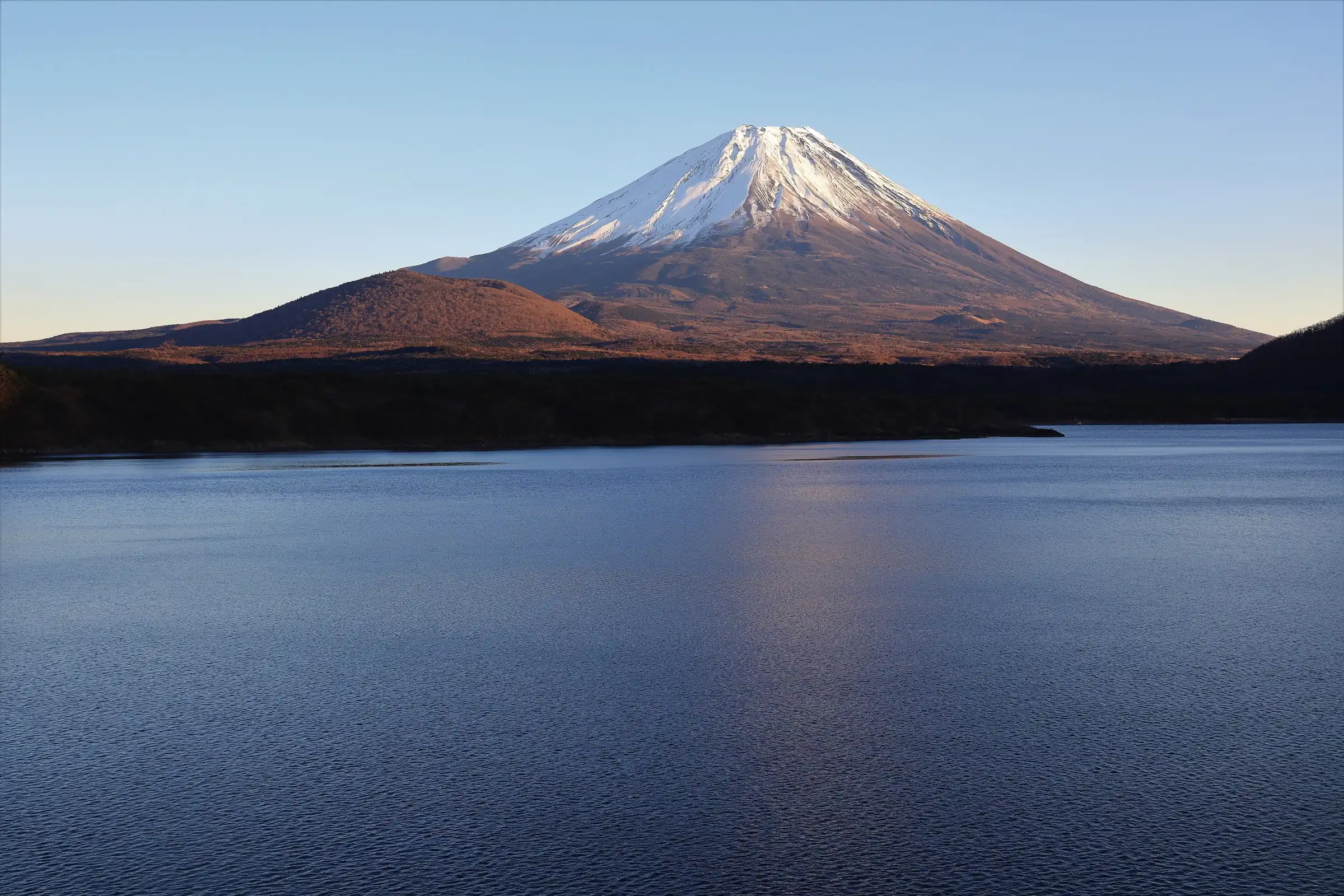
Mount Fuji is a weather-dependent stay, not a guaranteed postcard. Base yourself around Kawaguchiko for lake views, and keep one to three nights flexible. The clearest months in our existing guide are April, May, October and November, and a second dawn is useful if the first morning is cloudy.
Should you plan a Mount Fuji overnight?
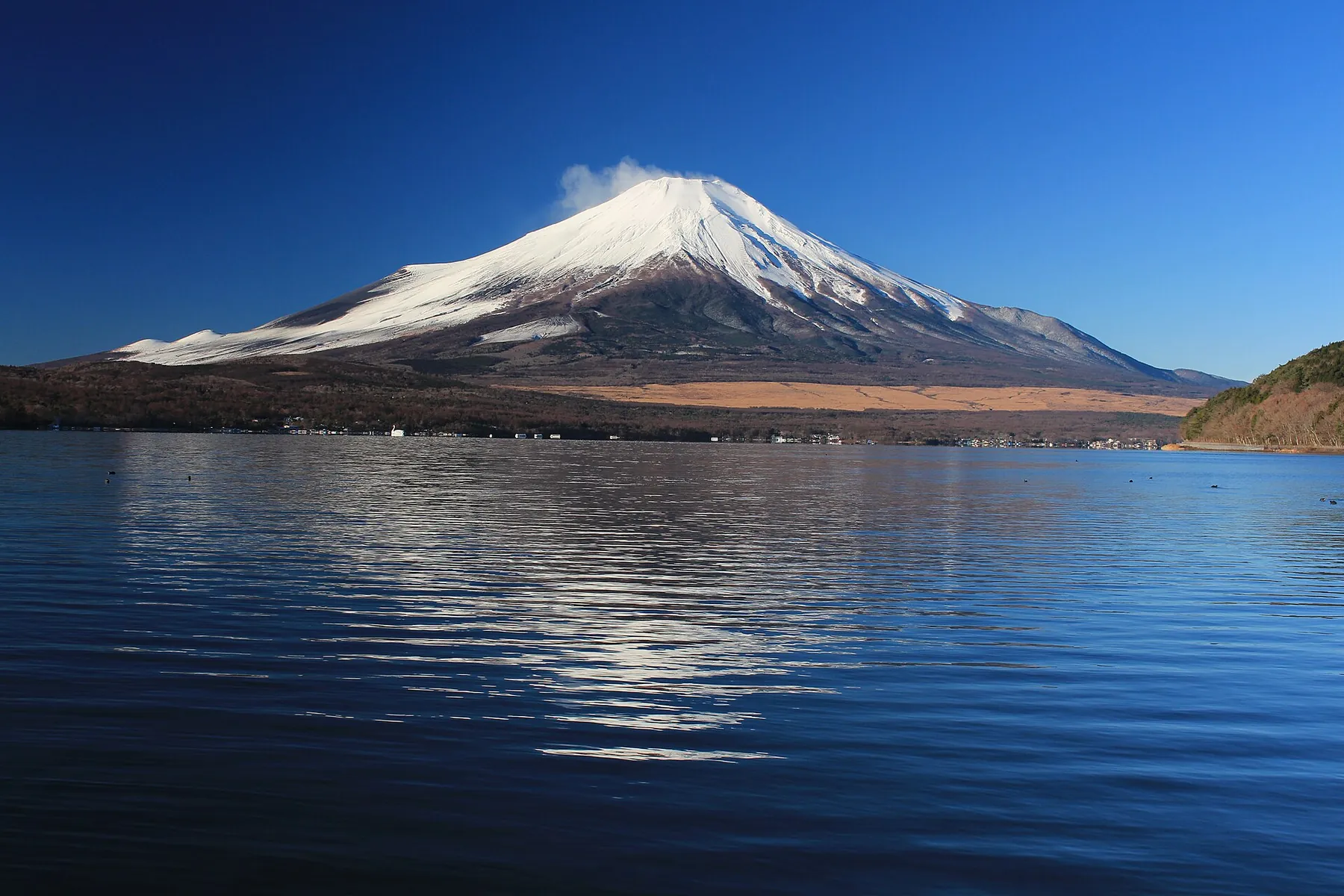
This guide is about seeing Japan’s most famous mountain from the Fuji Five Lakes, especially Kawaguchiko, not about a summer summit climb. The climbing season is closed now: in 2026 the Yoshida Trail opened from 1 July to 10 September with a 4,000 yen hiking fee, and the 2027 dates have not been announced yet. The classic images are a dawn lake reflection, a clear cone, and, if you go, the framed view from Chureito Pagoda.
It suits travellers who will accept a clouded-out morning, photographers, and anyone already booking an onsen night after Tokyo. Think twice if your schedule has no spare day, or if you expected a close-up of the summit from Hakone in midsummer haze.

What does a Kawaguchiko stay cost?
Like Hakone, this is often a mid-to-high night because of view hotels and onsen inns. Use the First-Time Japan daily ranges as a floor, and check live room rates rather than relying on a guessed stay-length total. View rooms cost more and sell out on clear-weather weekends.
What should I book first?
- Flights: into Tokyo, then a highway bus or train toward Kawaguchiko.
- Hotels: book a lake-view or near-lake room early in blossom and autumn. Keep one night movable if you can, because the mountain disappears in cloud.
- Experiences: dawn viewpoints do not need tickets; popular observation spots get busy after sunrise.
- Car hire: more useful here than in Tokyo, but buses still cover the usual lake circuit.
When should I go, and what should I do?
April, May, October and November are the usual clear windows. Midsummer is hazy. Winter can be extremely clear and very cold. Watch the forecast, go out at dawn, and have a backup day in Hakone or a slow Tokyo neighbourhood if the mountain is hidden.
Where should I go next?
Most routes return toward Tokyo, then continue by Shinkansen to Kyoto. Fuji and Hakone sit together on the journey:
The Fuji Five Lakes area is a stop on the 14-day route in our 7, 10 and 14-day Japan itineraries. To pick the month with the best chance of clear views, see our guide to the best time to visit Japan, month by month.
Is there a useful official video for this place?
How do I get there from Australia or elsewhere?
The official airline and airport notes, including Qantas, ANA and JAL’s current winter timetable, are in the First-Time Japan guide and in the sourced table on this page where they apply. Flying times are not quoted here; check the airline site for current durations when you book.
Kawaguchiko and the Fuji Five Lakes are reached from Tokyo, not on a direct international flight. Fly into Haneda or Narita, then continue by highway bus or train. Check current transfer times on the operator sites before you travel.
Where should I stay around Mount Fuji?
Kawaguchiko is the usual first-timer base: buses, lakeside walks and the widest choice of rooms. Other Fuji Five Lakes towns can be quieter, with fewer evening meal options. A room with a claimed view is still at the mercy of cloud, so a second night is more useful than a more expensive window. If you only have one dawn, pick a room you will still like when the mountain is hidden: close to the lake path, or near the bus stop back to Tokyo. Check the hotel search and the official bus operator for current fares and room rates on your dates.
How do I get around once I arrive?
A stored-value IC card is the simplest way to ride trains and buses, and to pay at many convenience stores. Official Welcome Suica and visitor ICOCA prices are in the First-Time Japan guide and, where they apply, in the sourced table on this page. Yen figures below were last checked 14 November 2026; Australian dollar conversions are approx.
Around Kawaguchiko, local buses and an IC card (or cash) cover most lakeside hops. Highway buses from Tokyo are a common way in; check the bus company for current fares before you go. A Japan Rail Pass does not automatically cover every local Fuji-area bus.
What does a two day Kawaguchiko plan look like?
Clear views are not guaranteed. Build a second dawn into the plan, and treat this as a sample outline only.
Day 1. Arrive from Tokyo, walk a lakeside stretch, and be outside at sunset if the cloud lifts. Day 2. Get up for dawn. If the mountain is hidden, wait for a second window or travel on to Hakone or back to the city without calling the stay a failure. Bus fares and any climbing rules should be checked on official pages for the dates you travel.
Winter is the season our First-Time Japan guide flags for clearer views, and summer haze is the usual disappointment, but no season is a guarantee. Spring around the lake is popular and busy. If you hoped to climb, treat that as a separate, regulated summer undertaking, not as something you add to a viewing stay at the last minute.
If the cone stays hidden, walk a lakeside stretch, visit a cave or ropeway only if it is running, and treat the pause as part of the trip rather than a write-off. Dawn starts can be cold even in spring, so pack an extra warm layer. Check bus and ropeway fares with the operator on the day.
What is the Kawaguchiko area like to eat?
Lakeside towns have casual noodles, houto-style dishes, cakes and hotel dinners. Opening hours can be shorter outside peak weekends, so do not assume a late kitchen. If you are up for dawn views, plan breakfast in the hotel or with something bought the day before. This is ordinary travel food, not a wellness itinerary. If you arrive on a weekday outside peak foliage or blossom weeks, some lakeside kitchens close earlier than you might expect, so an earlier dinner is the safer plan.
What etiquette should I actually bother with?
A little goes a long way. Say sumimasen and arigatou, take your shoes off when you see a step or a rack, and keep phone calls off quiet train carriages. At shrines and temples, follow the posted path and do not block the offering box for a photo. Cash is still useful for small places. Tattoos can be an issue in some public baths; ask when you book, or choose a room with a private bath.
On viewing days, do not climb over barriers for a photo, and be ready for car parks and bus stops to clog at dawn. If you walk any trail, stay on the official path and check whether the season is even open.
What mistakes do first-time visitors make?
The usual ones are packing the days too tightly, buying a nationwide rail pass without doing the maths, and arriving without a way to pay for a train. Get the IC card or pass sorted on day one. People also underestimate summer heat and leave a mountain night or Hiroshima as a maybe that never happens. Book the rooms that will sell out, and leave some afternoons unplanned.
Around Mount Fuji, the special mistake is booking one dawn and no backup, or assuming a climb is possible outside the official season without checking.
How do I book flights and hotels?
Kawaguchiko is reached from Tokyo, so the flight search is set to Tokyo (TYO). Search links below open Aviasales with a departure city near you (Sydney if we cannot tell), and Trip.com’s hotel search for your region. These are starting points, not quotes.
Which figures have been checked against official sources?
Yen amounts below are as published on the official pages, last checked 14 November 2026. Australian dollar figures are approx. conversions using the ECB reference rate via Frankfurter on 13 November 2026 (1 AUD = 108.56 JPY). They are estimates, not a ticket price.
| Item | Official figure | Source |
|---|---|---|
| Japan Rail Pass, ordinary adult, official online purchase | 7-day 50,000 yen (approx. approx. A$461); 14-day 80,000 yen (approx. approx. A$737) | JR Group, Japan Rail Pass types and prices |
| Qantas published Australia-Japan routes (no airborne times quoted) | Direct: Tokyo Haneda-Sydney; Tokyo Narita-Brisbane; Tokyo Narita-Melbourne. Seasonal Sapporo-Sydney from 7 December 2026 to 31 March 2027. No direct Japan-Perth service listed on this page. | Qantas, international flight routes |
| ANA published Australia routes, 25 October 2026 to 27 March 2027 | Daily Haneda-Sydney (NH879/889 and NH880/890) and daily Narita-Perth (NH881/882). | ANA, international route information |
| Welcome Suica, official visitor IC card (JR East) | No deposit. Opening balance from 1,000 yen (approx. approx. A$9.21) to 10,000 yen (approx. approx. A$92). Valid 28 days from the date of purchase, including that day. Remaining credit is not refundable. | JR East, Welcome Suica purchase |
| Mount Fuji Yoshida Trail rules, 2026 season (Yamanashi) | Season 1 July to 10 September 2026. Hiking fee 4,000 yen (approx. approx. A$37) per person per climb. 5th Station gate closed 2pm to 3am unless you stay in a mountain hut; daily cap of 4,000 climbers. Shizuoka’s Fujinomiya and Gotemba trails opened 10 July; the Subashiri Trail opened 1 July. | Official Mt. Fuji Climbing site, Yoshida Trail 2026 |
Frequently asked questions
How many nights do I need around Mount Fuji?
One night is a look. Two nights give you a second dawn if the first is cloudy.
Is climbing Mount Fuji part of this guide?
No. This page is about visiting the lake area and seeing the mountain. For reference, the 2026 Yoshida Trail season ran from 1 July to 10 September, with a 4,000 yen hiking fee, gates closed from 2pm to 3am unless you stay in a mountain hut, and a cap of 4,000 climbers a day. The official climbing site says the 2027 season will run from early July to early September, with exact dates announced before it opens.
Can I see Fuji from the Shinkansen?
Sometimes, from the right side of a westbound Tokaido Shinkansen on a clear day. It is a bonus, not a plan.
Should I choose Hakone or Kawaguchiko?
Hakone if you want a classic onsen loop close to Tokyo. Kawaguchiko if the lake view of the cone is the main reason you are leaving the city.
Can I be sure I will see Mount Fuji?
No. Cloud hides it often. Stay two dawns if you can, and have a backup plan in Hakone or Tokyo.
Does a Japan Rail Pass get me all the way to the lake?
Not always. Some highway buses and local buses are separate. Check the official operator for current fares on your dates.
Photo credits
- Hero image: Photo: Alpsdake, CC BY-SA 4.0, via Wikimedia Commons.
