The best way from Tokyo to Kyoto is the Nozomi bullet train. A reserved seat costs 14,170 yen (approx. approx. A$131) one way in the regular season, and the trip takes a little over two hours. Book on JR Central’s smartEX and it’s 200 yen cheaper. A night bus can cost far less, but you lose a night’s sleep.
This guide is for Australians doing the classic Tokyo, Kyoto and Osaka route. Fares come from JR’s published fare tables and the bus operator’s fare page. We haven’t timed every train ourselves, so travel times are the operators’ own figures.
How much is the bullet train from Tokyo to Kyoto?
These are JR’s one-way adult fares for the Nozomi from Tokyo or Shinagawa to Kyoto, as at October 2026. Reserved seats cost 200 yen less in the quiet season, 200 yen more in peak season and 400 yen more in the busiest weeks. Unreserved seats cost the same all year.
| Ticket (adult, one way) | Fare | Notes |
|---|---|---|
| Nozomi, unreserved seat | 13,320 yen (approx. approx. A$123) | Same price all year. Only cars 1 and 2 on a Nozomi. |
| Nozomi, reserved seat (station price) | 14,170 yen (approx. approx. A$131) | Regular season price. |
| Nozomi, reserved seat on smartEX | 13,970 yen (approx. approx. A$129) | 200 yen off the station price for reserved seats. |
| Nozomi, Green Car (first class) | 19,040 yen (approx. approx. A$175) | Wider seats, four across. |
| Return trip, reserved, station price | 28,340 yen (approx. approx. A$261) | Two one-way reserved fares. |
Source: JR Group, Nozomi fares and discount tickets (Tokyo-Kyoto: 13,320 / 14,170 / 19,040 yen; seasonal adjustments; smartEX 200 yen off reserved seats; as of October 2026). Unreserved cars from JR Central, Shinkansen guide. Last checked 14 November 2026 (Australia/Sydney).
Fares rise in July 2027. JR Central and JR West have announced higher reserved-seat fares for tickets bought from 1 July 2027. On the Tokyo to Shin-Osaka run, for example, the fare goes from 14,720 yen to 15,420 yen. Unreserved fares don’t change. Tickets for a cherry blossom or Easter trip in 2027 will be bought well before then, so they’re priced at today’s fares. See the JR Central and JR West announcement (PDF, Japanese).
Nozomi, Hikari or Kodama: which train should I take?
All three run on the same Tokaido Shinkansen line. The Nozomi is the fastest because it makes the fewest stops. The Hikari stops a bit more and the Kodama stops at every station, so it’s the slowest. JR Central says Nozomi trains leave every few minutes at busy times, and Tokyo to Shin-Osaka takes as little as 2 hours 21 minutes. Kyoto is the stop before Shin-Osaka.
Take the Nozomi unless you have a Japan Rail Pass. The pass covers the Hikari and Kodama but not the Nozomi, unless you buy an extra Nozomi ticket on top.
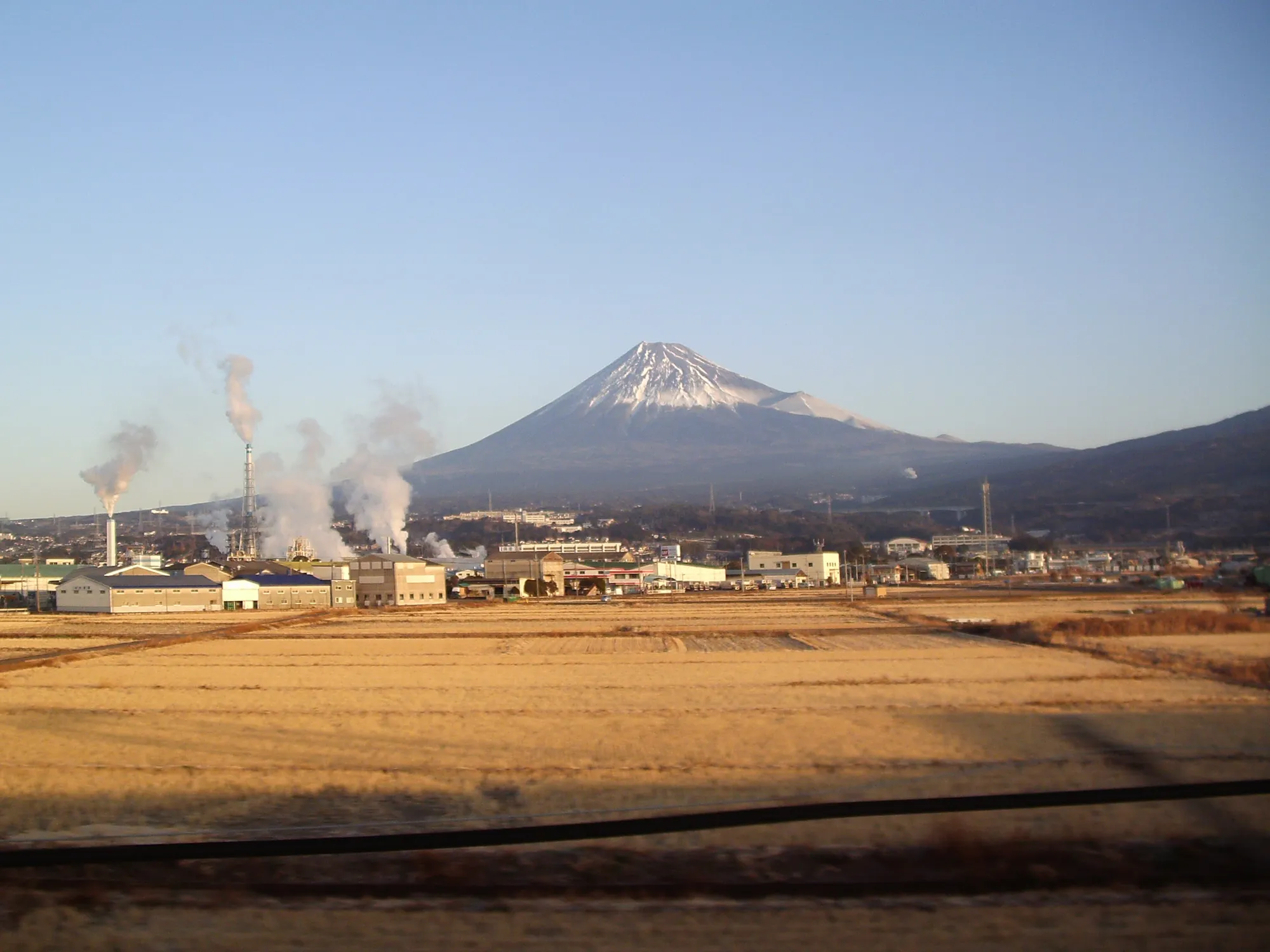

Which side of the train is Mount Fuji on?
Book seat E in a standard car, or seat D in the Green Car. That’s JR Central’s own tip for the best view of Mount Fuji, and it applies both ways. Clear skies aren’t guaranteed, so think of it as a bonus rather than a reason to pick a train.
How do I book Shinkansen tickets from Australia?
JR Central’s official smartEX app is available to download in Australia, and you can also use the smartEX website. You get a QR code ticket that you scan at the gate, and JR Central says you can change the booking as often as you like for free before departure. You can still buy tickets at station machines with English menus, or at ticket offices, on the day.
JR reserved seats go on sale at 10:00 Japan time one month before travel. Book on the first day for Golden Week (29 April to 5 May 2027), mid-August and New Year, when JR can make every Nozomi seat reserved.
Sources: JR Central, Shinkansen guide; JR East FAQ (one-month sales window). Checked 14 November 2026 (Australia/Sydney).
What are the luggage rules on the Shinkansen?
This catches a lot of Australians out. If a bag’s length, width and height add up to more than 160 cm, you need to book a “seat with an oversized baggage area” on the Tokaido Shinkansen. Board without that booking and you pay a 1,000 yen fee. Bags over 250 cm in total can’t come on board at all. A standard carry-on and most medium suitcases are fine on the overhead rack or the luggage area at the end of the car.
Travelling heavy? JR Central points travellers to its LUGGAGE EXPRESS service, which takes bags from a hotel or station to your next hotel on the same day, so you can ride with a day pack.
Source: JR Central, luggage information, checked 14 November 2026 (Australia/Sydney).
Is the JR Pass worth it just for Tokyo to Kyoto?
No. A 7-day JR Pass costs 50,000 yen (approx. approx. A$461), and a Tokyo to Kyoto return on reserved Nozomi seats is 28,340 yen (approx. approx. A$261). The pass also doesn’t cover the Nozomi without an extra ticket.
It only starts to make sense when a week includes several long Shinkansen legs. Our JR Pass guide works through the maths, and if it does suit your route you can check the 7-day JR Pass on Klook.
Source: Japan Rail Pass official price page, checked 14 November 2026 (Australia/Sydney).
Is the night bus from Tokyo to Kyoto worth it?
Only if money matters more than sleep. West Japan JR Bus runs overnight “Dream” buses from Tokyo to Kyoto, and its fare table shows the cheapest seats from about 2,500 yen (approx. approx. A$23) on limited fares, rising by date and seat type. You leave in the evening and arrive early the next morning, often before hotels will let you check in.
For a two-week first trip, we’d take the train. Losing a night’s sleep costs you most of a day in Kyoto, and big suitcases are harder on buses. The Japan Rail Pass doesn’t cover these highway buses either.
Sources: West Japan JR Bus, Tokyo-Kyoto fare table (Japanese) and West Japan JR Bus expressway buses (English). Fares vary by date; check the operator page for your night. Checked 14 November 2026 (Australia/Sydney).
Can I fly from Tokyo to Kyoto?
Kyoto has no airport. Flights from Tokyo go to Osaka’s Itami or Kansai airports, and then you still need a train or bus into Kyoto. Once you add the trip out to the airport, check-in and the transfer at the other end, it’s rarely quicker than the Shinkansen, which runs city centre to city centre.
| Option | Typical cost (adult, one way) | Time | Best for |
|---|---|---|---|
| Nozomi Shinkansen | 14,170 yen (approx. approx. A$131) reserved | A little over 2 hours | Almost everyone |
| Hikari or Kodama Shinkansen | Similar fare | Slower, more stops | JR Pass holders |
| Night bus (West Japan JR Bus) | From about 2,500 yen (approx. approx. A$23) | Overnight | Tight budgets, light packers |
| Fly to Osaka, then train | Varies | Rarely faster door to door | Rarely worth it on this route |
Is there a video on boarding with a QR ticket?
Video published by JR Central on its official YouTube channel, showing how to board the Tokaido Shinkansen with a smartEX QR ticket. Embedded only.
Where should I go next?
Thinking of breaking the trip? Hakone sits on the way and makes a good one-night stop. Once you’re in Kyoto, the Kyoto guide covers where to stay and how to get around, and Osaka is a short hop on from there (see the Osaka guide). For the full route, use our 7, 10 and 14-day itineraries. To plan days out once you arrive, browse things to do in Kyoto on Klook.
Frequently asked questions
How much is the Shinkansen from Tokyo to Kyoto?
A reserved Nozomi seat is 14,170 yen one way (about A$131) in the regular season, or 13,970 yen on smartEX. An unreserved seat is 13,320 yen and the Green Car is 19,040 yen, per JR’s fare table as of October 2026.
How long is the bullet train from Tokyo to Kyoto?
A little over two hours on a Nozomi. JR Central gives as little as 2 hours 21 minutes from Tokyo to Shin-Osaka, and Kyoto is the stop before.
Which side is Mount Fuji on the train from Tokyo to Kyoto?
Book seat E in a standard car or seat D in the Green Car. JR Central recommends these seats for the best view of Mount Fuji.
Does the JR Pass cover the Nozomi?
Not on its own. The JR Pass covers Hikari and Kodama trains. To ride a Nozomi you need to buy an extra Nozomi ticket before boarding.
Do I need to book the Shinkansen in advance?
Usually not outside peak periods, but booking gives you a guaranteed seat. Reserved seats go on sale at 10:00 Japan time one month ahead. Book early for Golden Week, mid-August and New Year.
Can I take a big suitcase on the Shinkansen?
Yes, but bags over 160 cm in total dimensions need a seat with an oversized baggage area booked in advance, or you pay a 1,000 yen fee. Bags over 250 cm are not allowed.
What is the cheapest way from Tokyo to Kyoto?
An overnight highway bus. West Japan JR Bus fares start from about 2,500 yen on limited cheap seats, but prices rise by date and you travel overnight.
Photo credits
- Hero image: Photo: 663highland, CC BY-SA 4.0, via Wikimedia Commons.
