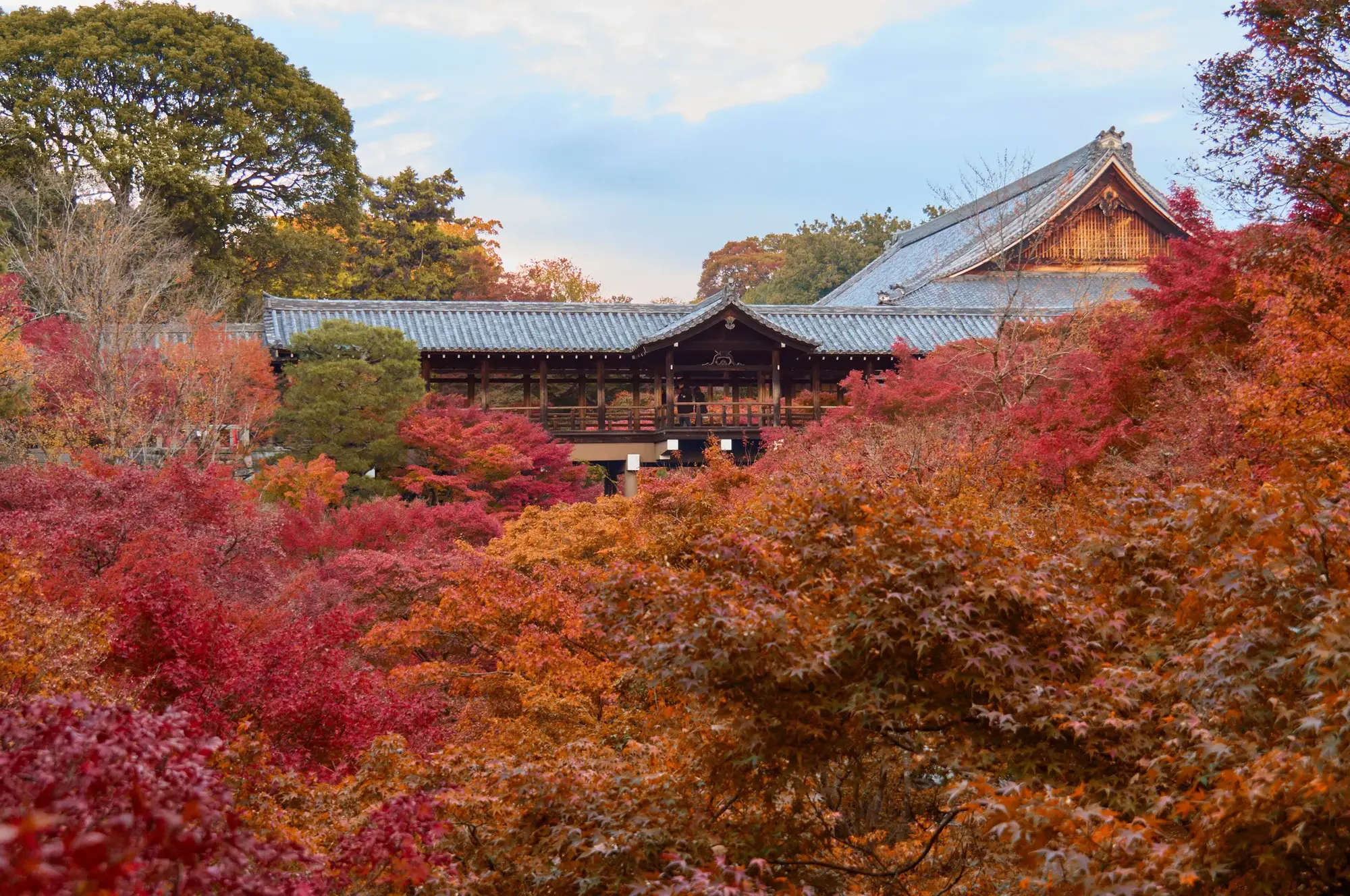
For most Australians the best times to visit Japan are late March to early April for cherry blossom, mid October to late November for autumn colour and comfortable weather, and February for quiet streets and better value. Avoid Golden Week (29 April to 5 May 2027), and expect the busiest flights from Australia in our own school holidays.
This guide brings together three things that decide a good month: the weather, Japan’s public holidays and Australian school holidays. Weather figures are Japan Meteorological Agency averages for 1991 to 2020. Holidays are from the official 2027 calendars. We do not quote flight or hotel prices here because they move daily. Instead we show when demand tends to peak, so you can avoid it.
What is the best month to visit Japan from Australia?
If you can only pick one, choose November. Kyoto and Tokyo reach their autumn colour, the summer humidity has gone, Tokyo’s average rainfall drops to 96.3 mm from 234.8 mm in October, and there are no Australian school holidays to push up fares. Kyoto does get busy in the second half of the month.
Spring is the other favourite. Cherry blossom in late March and early April is beautiful but crowded, and it lines up with Easter and some state school holidays. Our 2027 cherry blossom guide has the average bloom dates by city.
What is Japan like month by month?
| Month | Tokyo average high / low (°C) | Tokyo rain (mm) | Kyoto average high (°C) | Japan public holidays 2027 | Australian school holidays 2027 |
|---|---|---|---|---|---|
| January | 9.8 / 1.2 | 59.7 | 9.1 | New Year’s Day 1 Jan; Coming of Age Day 11 Jan | Summer holidays in every state for most of the month |
| February | 10.9 / 2.1 | 56.5 | 10.0 | National Foundation Day 11 Feb; Emperor’s Birthday 23 Feb | Schools back in every state by early February |
| March | 14.2 / 5.0 | 116.0 | 14.1 | Spring equinox 21 Mar, substitute holiday 22 Mar | Easter 26 to 29 Mar; QLD and VIC holidays from 26 Mar |
| April | 19.4 / 9.8 | 133.7 | 20.1 | Showa Day 29 Apr (Golden Week starts) | NSW 12 to 23 Apr; SA and WA 10 to 25 Apr; QLD and VIC to 11 Apr |
| May | 23.6 / 14.6 | 139.7 | 25.1 | Golden Week 3 to 5 May | School term in every state |
| June | 26.1 / 18.5 | 167.8 | 28.1 | None | QLD and VIC holidays from 26 Jun |
| July | 29.9 / 22.4 | 156.2 | 32.0 | Marine Day 19 Jul | NSW 5 to 16 Jul; SA and WA 3 to 18 Jul; QLD and VIC to 11 Jul |
| August | 31.3 / 23.5 | 154.7 | 33.7 | Mountain Day 11 Aug | School term in every state |
| September | 27.5 / 20.3 | 224.9 | 29.2 | Respect for the Aged Day 20 Sep; autumn equinox 23 Sep | QLD from 18 Sep; VIC from 18 Sep; SA and WA from 25 Sep; NSW from 27 Sep |
| October | 22.0 / 14.8 | 234.8 | 23.4 | Sports Day 11 Oct | Holidays end 3 to 10 Oct depending on state |
| November | 16.7 / 8.8 | 96.3 | 17.3 | Culture Day 3 Nov; Labour Thanksgiving Day 23 Nov | School term in every state |
| December | 12.0 / 3.8 | 57.9 | 11.6 | None until New Year | Summer holidays start between 11 Dec (QLD and SA) and 21 Dec (NSW) |
Sources: Japan Meteorological Agency 1991 to 2020 normals for Tokyo and Kyoto; Cabinet Office, national holidays 2027; state education department term calendars for 2027 (QLD, NSW, VIC, SA and WA). Last checked 14 November 2026 (Australia/Sydney). Victorian, South Australian and Western Australian holiday dates are the gaps between published term dates. Tasmania, the ACT and the Northern Territory are not shown, so check your own calendar.
What should I expect in each month?
- January. Cold, dry and clear in Tokyo. Busy for flights from Australia until school goes back. Ski season in Hokkaido.
- February. One of the quietest months. Plum blossom late in the month. Good value once Australian holidays end.
- March. Cherry blossom arrives late in the month. Prices and crowds climb fast.
- April. Blossom in early April in central Japan, later in the north. Very busy.
- May. Avoid the first week. After Golden Week it is warm, green and calmer.
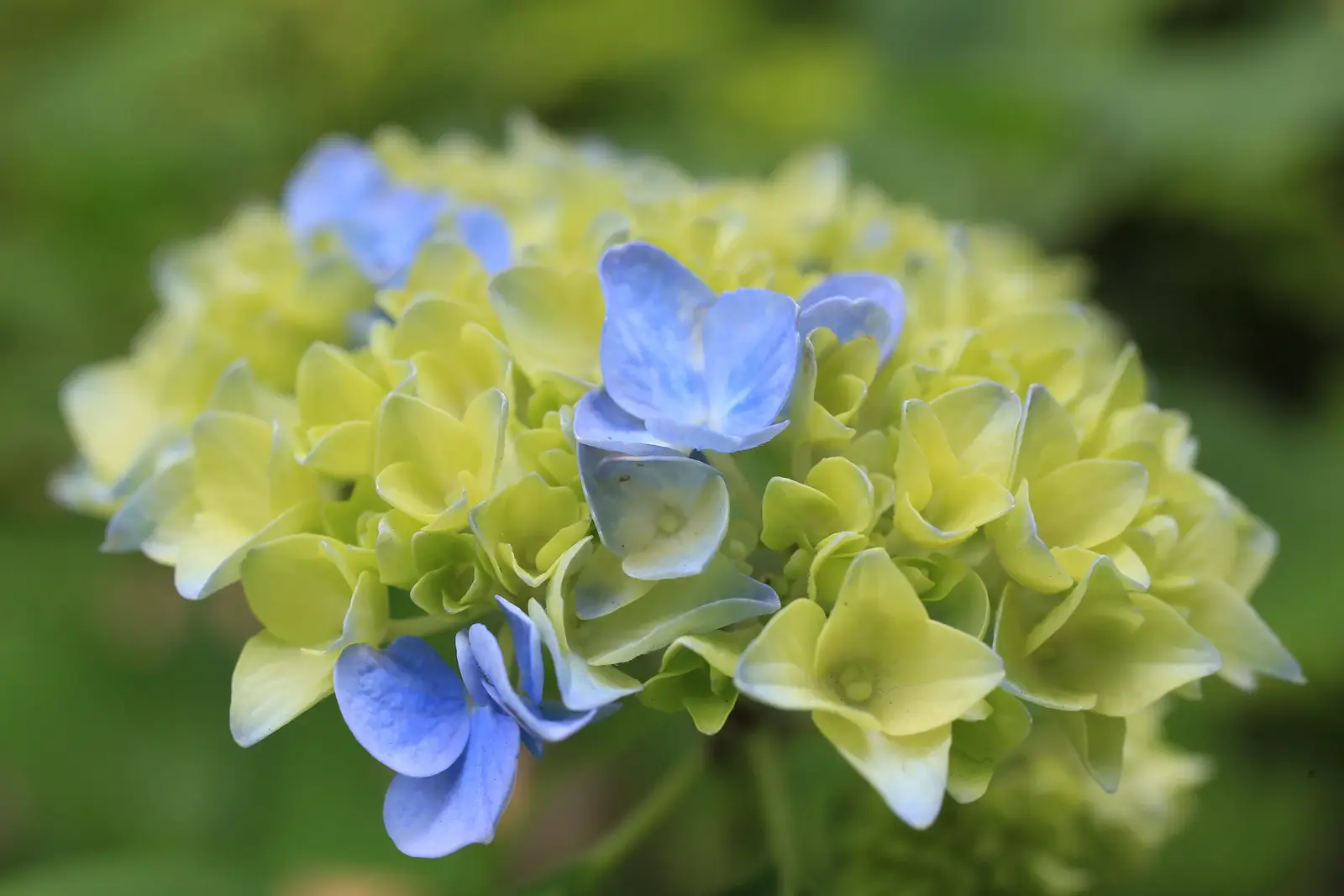
- June. Rainy season in most of Japan. Hydrangeas, fewer tourists.
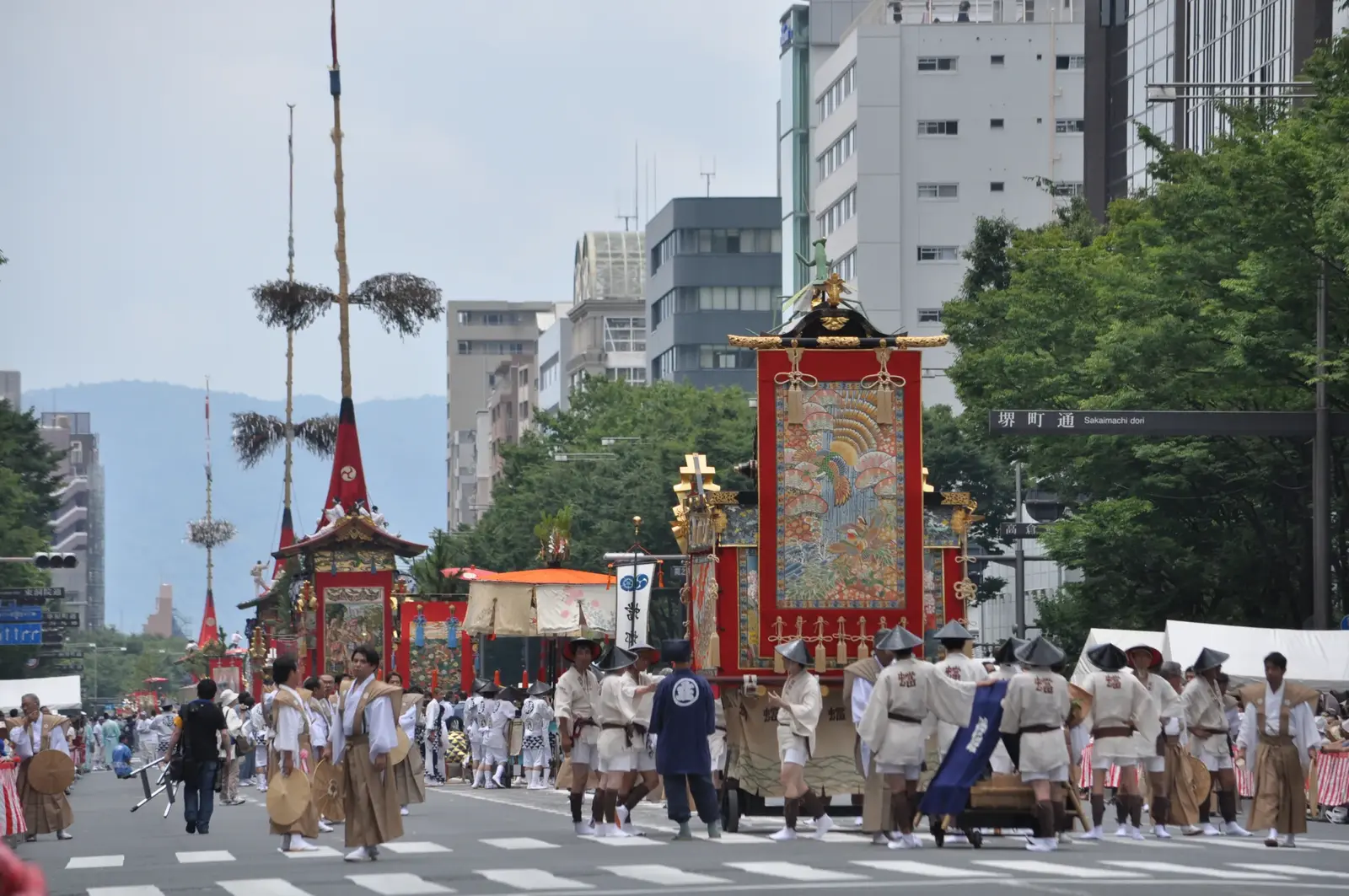
- July. Hot and humid. Festival season, including the Gion Matsuri in Kyoto. Mount Fuji climbing season opens.
- August. The hottest month. Obon in mid-August brings domestic travel peaks.
- September. Still warm. Tokyo’s second-wettest month on average, and typhoons are possible.
- October. Comfortable temperatures. Tokyo’s wettest month on average, but often settled later in the month.
- November. Autumn colour in Kyoto and Tokyo, peaking late in the month. Crisp and dry. Busy in Kyoto.
- December. Quiet early in the month, then Christmas lights and the New Year rush. Clear Mount Fuji views.

When is Japan cheapest to visit from Australia?
We cannot promise a price, but demand follows a clear pattern. Fares from Australia tend to rise during Australian school holidays, Christmas and Easter. Hotel rates in Japan tend to rise during cherry blossom, Golden Week, Obon in mid-August, the autumn colour peak in Kyoto and the New Year period.
That leaves a few windows where neither side is at its peak:
- Early to late February, after Australian schools go back and before the blossom.
- Mid to late May, after Golden Week and before the rainy season.
- June, if you can live with rain. Only the Queensland and Victorian holidays start late in the month.
- Early December, before the Australian summer holidays and the New Year rush.
Compare several departure dates when you search. A few days either side of a school holiday can make a real difference.
Some costs do not change with the season. Japan’s International Tourist Tax is 3,000 yen (approx. approx. A$28) per departure for tickets issued from 1 July 2026, and it is usually included in your airfare (National Tax Agency). A 7-day Japan Rail Pass is 50,000 yen (approx. approx. A$461) bought online all year (JR Group).
When should I avoid travelling to Japan?
- Golden Week, 29 April to 5 May 2027. Showa Day is 29 April, then Constitution Day, Greenery Day and Children’s Day run from 3 to 5 May. Trains and hotels are at their busiest.
- Obon in mid-August. Not a national holiday, but many people travel to their home towns. Mountain Day falls on 11 August 2027.
- New Year. Many businesses close for a few days, and travel around 1 January is heavy.
- Peak summer if you struggle in heat. Tokyo’s August average high is 31.3°C and Kyoto’s is 33.7°C, with high humidity.

Is Japan good to visit in the Australian winter?
June to August is Japan’s early summer and high summer. June is the rainy season across most of the country, with Kyoto averaging 199.7 mm. July and August are hot. The upside is fewer international tourists in June, lush gardens, and festivals such as the Gion Matsuri in Kyoto in July. Mount Fuji’s climbing season also runs over summer. In 2026 the Yoshida Trail was open from 1 July to 10 September with a 4,000 yen (approx. approx. A$37) climbing fee (Fujisan Climb), and the 2027 dates have not been announced yet. See our Mount Fuji guide.
If you are going in the NSW, SA or WA July holidays, plan early starts, indoor afternoons and a hotel close to a station.
Is Japan good to visit in the Australian summer holidays?
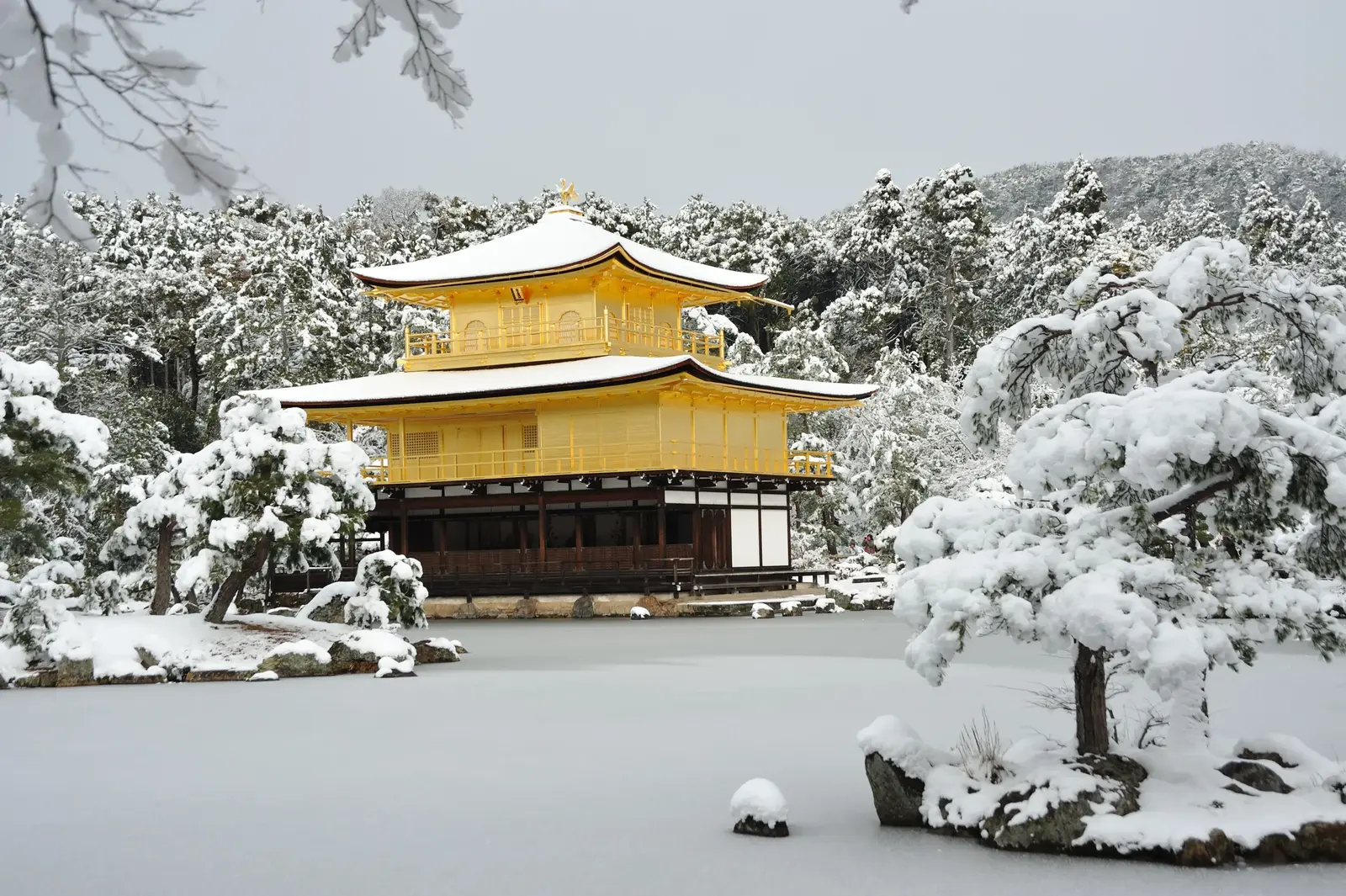

Yes, if you want winter. December to February brings cold, mostly dry and clear days in Tokyo, with average highs around 10 to 12°C. Snow is common in Hokkaido and the mountains and occasional in Kyoto. It is ski season in Hokkaido, and Qantas publishes a seasonal Sydney to Sapporo service from 7 December 2026 to 31 March 2027. The catch is demand. January is the peak of the Australian summer holidays, so flights fill quickly. Book early or go in February.
When is the best time for a first trip with kids?
Match the school holidays to the weather. For 2027, the late September to early October break works well in every state: the summer heat has eased and it falls before Kyoto’s autumn rush. The April break suits Queensland and Victorian families who want blossom, because it starts on 26 March. For NSW, SA and WA families, the April break comes after average full bloom in Tokyo and Kyoto, so either plan a northern route or enjoy the fresh spring green.
Ready to plan? Our 7, 10 and 14-day itineraries work in any season, the JR Pass guide shows whether a pass saves money, and the free Japan trip planner adds seasonal notes for your dates. First time in Japan? Start with our first-time Japan guide.
How do I book flights and hotels for my month?
Search a few weeks either side of your ideal dates to see where fares dip, and look for free-cancellation rooms while you are still deciding.
You can also browse Japan tours and tickets on Klook, or set up a Japan eSIM with Airalo, before you travel.
Is there a useful official video for Japan in winter?
The Japan National Tourism Organization’s winter film shows snow country, onsen and winter festivals, the side of Japan you see on a December to February trip.
Frequently asked questions
What is the best month to visit Japan from Australia?
November is a strong all-round choice: autumn colour, comfortable temperatures, lower rainfall than October in Tokyo and no Australian school holidays. Late March to early April is best for cherry blossom but much busier.
What is the cheapest time to fly from Australia to Japan?
Fares tend to be lower outside Australian school holidays and Japan’s peak periods. February, mid to late May, June and early December are often quieter. Compare several dates, because prices change daily.
When is Golden Week 2027?
Golden Week runs from Showa Day on Thursday 29 April to Children’s Day on Wednesday 5 May 2027, with Constitution Day and Greenery Day on 3 and 4 May. It is one of the busiest travel periods in Japan.
When is the rainy season in Japan?
For most of Honshu it falls around June into July. Kyoto averages 199.7 mm of rain in June and 223.6 mm in July, according to JMA 1991 to 2020 normals.
Is it too hot to visit Japan in July and August?
It is hot and humid. Tokyo’s average high is 29.9°C in July and 31.3°C in August, and Kyoto reaches 33.7°C in August. Plan early starts and air-conditioned breaks.
Is December a good time to visit Japan?
Early December is a good choice. Days are cool and clear, autumn leaves can linger in Kyoto early in the month, and the busy Australian summer holidays and Japanese New Year come later.
Photo credits
- Hero image: Photo: lumoplank, CC0, via Wikimedia Commons.
