Plan about approx. A$245 a day on the ground, before shopping and flights, if you spend like the average Australian leisure visitor. That comes from the Japan Tourism Agency’s April to June 2026 survey. Mid-May 2027 return flights to Tokyo started at about approx. A$867 from Sydney with a stop, and about approx. A$1,330 direct from Melbourne or Brisbane.
Official yen figures are converted at the ECB rate for 13 November 2026 (1 AUD = 108.56 JPY) and marked as approximate. Flight prices are example economy return fares for one adult, not a booking quote. This is general information, not personal advice.
How much do Australians typically spend in Japan?
The most useful official number is what visitors actually spent, not a hotel rack rate. In April to June 2026 (second preliminary figures), Australian leisure visitors spent 424,893 yen (approx. approx. A$3,914) per person inside Japan, over an average stay of 13.0 nights. That excludes the international flight.
| Item | Official figure | Approx. in your currency |
|---|---|---|
| Spend per person, in Japan only | 424,893 yen (approx. approx. A$3,914) | approx. A$3,914 |
| Average stay | 13.0 nights | — |
| Derived spend per night, including shopping | 32,684 yen (approx. approx. A$301) | approx. A$301 |
| Derived spend per night, excluding shopping | 26,627 yen (approx. approx. A$245) | approx. A$245 |
| Accommodation per person | 181,005 yen (derived 13,923 yen (approx. approx. A$128) a night) | approx. A$1,667 (about approx. A$128 a night) |
| Food and drink per person | 87,661 yen (derived 6,743 yen (approx. approx. A$62) a night) | approx. A$807 (about approx. A$62 a night) |
| Transport in Japan per person | 49,511 yen (derived 3,809 yen (approx. approx. A$35) a night) | approx. A$456 (about approx. A$35 a night) |
| Entertainment and services per person | 27,976 yen (derived 2,152 yen (approx. approx. A$20) a night) | approx. A$258 (about approx. A$20 a night) |
| Shopping per person | 78,740 yen (derived 6,057 yen (approx. approx. A$56) a night) | approx. A$725 (about approx. A$56 a night) |
Source: Japan Tourism Agency, Inbound Consumption Trend Survey, April to June 2026, second preliminary figures (PDF), Chart 6 (leisure purpose, Australia row). Per-night amounts are the official per-person totals divided by the official 13.0-night average, then rounded. English survey page: International Visitor Survey. Last checked 14 November 2026 (Australia/Sydney).
What are the daily budget tiers?
JNTO’s Australian site gives a rough dollar guide: under approx. A$100 a day for a budget holiday, approx. A$100 to approx. A$250 for mid-range, and more than approx. A$250 for luxury. That page still shows an old 74-yen exchange rate and outdated JR Pass prices, so those yen item prices are not repeated here.
| Tier | Planning range | What it usually covers | How this is sourced |
|---|---|---|---|
| Budget | Under approx. A$100 a day (about 10,856 yen at the 13 November 2026 rate) | Hostels or capsules, convenience-store meals, IC-card city transport, free or low-fee sights | JNTO rough guide of under A$100 a day. This is well below the official Australian average. |
| Mid | approx. A$100 to approx. A$250 a day | A business hotel, casual restaurant meals, city transport and some paid entries. The official average excluding shopping, about approx. A$245 a night, sits at the top of this band. | JNTO mid-range band, with the JTA Australian average excluding shopping as the observed typical spend. |
| Comfort | Around approx. A$301 a day, or more if you add nicer rooms or a ryokan night | Rooms and meals at the official average, more paid attractions, and some shopping (about approx. A$56 a day in the survey) | JTA Australian leisure average of 32,684 yen (approx. approx. A$301) a night including shopping. |
Sources: JNTO, Is Japan expensive? and the JTA April to June 2026 survey PDF, last checked 14 November 2026 (Australia/Sydney). The budget and mid dollar bands are official tourism guidance, not a surveyed average. Room rates move with the season.

How much are flights from Sydney, Melbourne, Brisbane and Perth?
Flights are the largest cost you can shop around for, and they move a lot. Qantas publishes direct services from Sydney to Haneda, and from Melbourne and Brisbane to Narita, plus a seasonal Sydney to Sapporo flight from 7 December 2026 to 31 March 2027. ANA publishes daily Haneda-Sydney flights and a Narita-Perth service in its 25 October 2026 to 27 March 2027 timetable. JAL’s winter notice lists daily Haneda-Sydney and daily Narita-Melbourne. A current official direct flight from Australia to Kansai was not confirmed on those pages.
The fares below are example economy return prices for one adult to Tokyo (all airports), for travel on 12 to 19 May 2027 and 12 to 26 May 2027, as shown on Kayak.com.au on 14 November 2026 (Australia/Sydney). They are a snapshot, not a held fare. “Economy Cabin” tickets often leave checked bags out. The International Tourist Tax of 3,000 yen (approx. approx. A$28) is usually already in the airfare.
| From | Cheapest, 7 nights | Direct, 7 nights | Cheapest, 14 nights | Direct, 14 nights |
|---|---|---|---|---|
| Sydney | approx. A$867 (China Southern, 1 stop in Guangzhou) | approx. A$1,609 | approx. A$867 (China Southern, 1 stop) | approx. A$1,569 |
| Melbourne | approx. A$920 (Philippine Airlines, 1 stop in Manila) | approx. A$1,328 | approx. A$928 (Philippine Airlines, 1 stop) | approx. A$1,327 |
| Brisbane | approx. A$1,035 (China Southern, mixed 1 and 2 stops) | approx. A$1,327 | approx. A$1,066 (Jetstar via Cairns, 1 stop) | approx. A$1,327 |
| Perth | approx. A$921 (Scoot, 1 stop in Singapore) | No direct option was shown in this sample | approx. A$921 (Scoot, 1 stop) | No direct option was shown in this sample |
Source: Kayak.com.au fare results for Sydney-Tokyo, 12 to 19 May 2027, plus the same search for Melbourne, Brisbane and Perth and for a 26 May return, all checked 14 November 2026 (Australia/Sydney). Route sources: Qantas international routes, ANA international route information, JAL Oceania winter notice. ANA’s published Perth-Narita timetable used here ends on 27 March 2027, so a direct Perth seat in mid-May 2027 was not verified.
Australian school holidays, cherry blossom, Golden Week and Obon usually cost more, because demand is higher. No dollar premium is quoted for those periods, because that would be a guess. See the best time to visit Japan page and the 2027 cherry blossom guide before you search fares.
How much is accommodation?
Rooms are the biggest slice of on-the-ground spending. Australian leisure visitors spent 181,005 yen (approx. approx. A$1,667) on accommodation over 13.0 nights, or about approx. A$128 a night once that total is divided out. That average covers everything from a simple business hotel to a nicer stay, so your own nights can land well below or well above it. Book early for blossom, autumn colour and Japanese holiday weeks, and compare live rates rather than treating approx. A$128 as a quote.
Two local taxes are usually added to the room bill in Kyoto and Osaka:
| City tax (per person, per night) | Rate | Source |
|---|---|---|
| Kyoto City accommodation tax, from 1 March 2026 | 200 yen when the room charge is under 6,000 yen; 400 yen from 6,000 to under 20,000 yen; 1,000 yen from 20,000 to under 50,000 yen; 4,000 yen from 50,000 to under 100,000 yen; 10,000 yen at 100,000 yen or more | Kyoto City, accommodation tax revision |
| Osaka Prefecture accommodation tax, from 1 September 2025 | No tax under 5,000 yen; 200 yen from 5,000 to under 15,000 yen; 400 yen from 15,000 to under 20,000 yen; 500 yen at 20,000 yen or more | Osaka Prefecture, notice to guests |

How much does food cost?
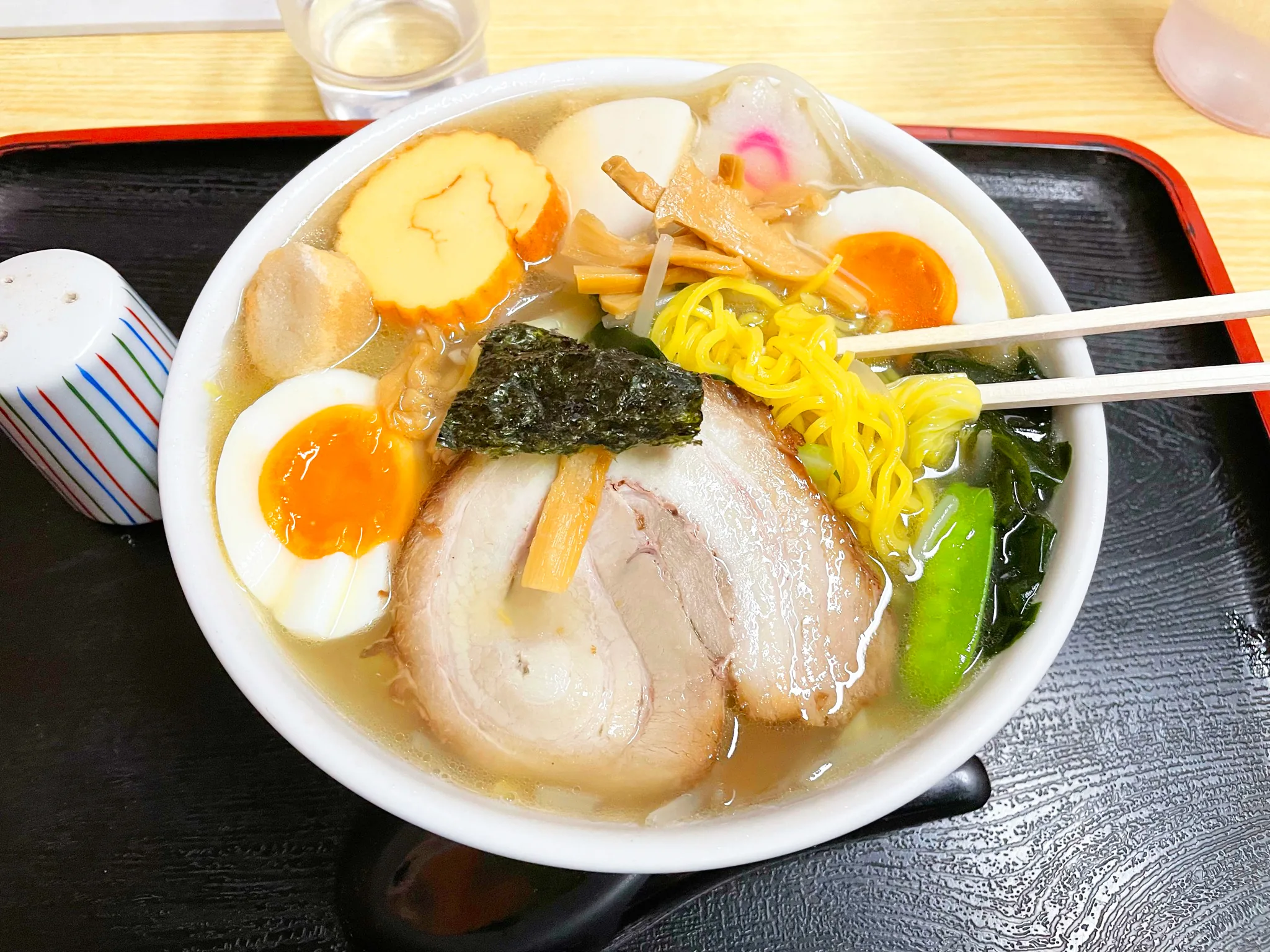
Once shopping is set aside, food is the second-largest daily item after the room. The official average for Australian leisure visitors was about approx. A$62 a day. A convenience-store breakfast, a teishoku lunch and a bowl of ramen or soba will often land under that. Sit-down dinners and regular drinks will push you over it. No current official tariff for a single bowl of ramen or an onigiri was found on 14 November 2026, so those item prices are not invented here.
How do you get around: JR Pass, a regional pass or an IC card?
For most first trips from Australia, a nationwide Japan Rail Pass is not the cheaper choice. The official 7-day ordinary pass is 50,000 yen (approx. approx. A$461) bought online, while a reserved-seat Nozomi ticket from Tokyo to Shin-Osaka is 14,720 yen (approx. approx. A$136) one way, or 29,440 yen (approx. approx. A$271) for a simple return. The pass only starts to pay off when you pack several long trips into its 7, 14 or 21 days. Worked examples are in the JR Pass guide.
| Ticket | Official adult price | What it is useful for |
|---|---|---|
| JR Pass, ordinary, official website | 7-day 50,000 yen (approx. approx. A$461); 14-day 80,000 yen (approx. approx. A$737); 21-day 100,000 yen (about approx. A$921) | Several long Shinkansen trips inside the pass window. Nozomi and Mizuho need an extra special ticket. |
| Tokyo to Shin-Osaka, reserved Nozomi, one way | 14,720 yen (approx. approx. A$136), rising to 15,420 yen for tickets bought from 1 July 2027 | The usual first-trip hop between Tokyo and Kansai. Kyoto is a little less than this fare. |
| WEST QR Kansai Area Pass | 1-day 2,700 yen (approx. approx. A$25) to 4-day 6,700 yen (approx. approx. A$62) | Local JR West trains in Kansai, plus two reserved HARUKA rides. No Shinkansen. Sold only through travel agencies outside Japan. |
| Kansai-Hiroshima Area Pass, 5-day | 17,000 yen (approx. approx. A$157) | Kansai plus the Sanyo Shinkansen between Shin-Osaka and Hiroshima, and the JR Miyajima ferry. The 100 yen Miyajima visitor tax is extra. |
| Welcome Suica (JR East visitor IC card) | No deposit. Opening balance 1,000 to 10,000 yen. Valid 28 days from the day you buy it. Leftover credit is not refundable. Cash top-up only. | Local trains, subways, buses and many shop payments. |
| Tokyo Subway Ticket, adult | 24 / 48 / 72 hour: 1,000 / 1,500 / 2,000 yen (approx. approx. A$18) | Tokyo Metro and Toei subway lines only, from the time you start travelling. |
| Narita Express, ordinary reserved, to Tokyo | 3,140 yen (approx. approx. A$29). Visitor round trip 5,200 yen (about approx. A$48), valid 14 days. | The airport train into Tokyo. The round-trip ticket is for non-Japanese passport holders only. |
| HARUKA visitor one-way, sales from 1 Nov 2026 | Kansai Airport to Tennoji 1,600 yen; Shin-Osaka or Osaka 1,900 yen (approx. approx. A$18); Kyoto 2,700 yen (approx. approx. A$25) | The discounted airport train into Osaka or Kyoto for overseas visitors. |
Sources, last checked 14 November 2026 (Australia/Sydney): JR Pass prices; JR Central and JR West Shinkansen fare release, 16 October 2026; WEST QR Kansai Area Pass; Kansai-Hiroshima Area Pass; Welcome Suica; Tokyo Subway Ticket; Narita Express; HARUKA visitor one-way.
A practical first-trip mix is an IC card for daily rides, single Shinkansen tickets for Tokyo to Kyoto or Osaka, and a regional pass only if you will actually use it. The first-time Japan guide covers IC cards and airport trains. The 7, 10 and 14-day itineraries show which tickets each route needs, and the free Japan trip planner gives a JR Pass hint for your dates.
What do attractions cost?
Plenty of shrine and temple grounds are free, and paid halls are often modest next to the room and the flight. Official adult prices on file include Todai-ji’s Great Buddha Hall at 800 yen (about approx. A$7), the Hiroshima Peace Memorial Museum at 200 yen, Osaka Castle Museum keep at 1,200 yen (about approx. A$11) and Itsukushima Shrine at 300 yen. The Miyajima visitor tax is 100 yen on top of the ferry. The official Mount Fuji Yoshida Trail fee was 4,000 yen (about approx. A$37) for the 2026 season; 2027 dates had not been announced at check time. A Kiyomizu-dera admission fee was not published on the temple’s official visit page, so no figure is shown. Use the official survey average of about approx. A$20 a day on entertainment as a starting point, and leave a little room for reserved experiences.
If you want reserved tickets or a guided visit in the main cities, browse things to do in Tokyo, Kyoto and Osaka on Klook.
How much is a Japan eSIM?
An eSIM is a small line in the budget, and it is handy on landing for maps, translations and train apps. Airalo’s official Japan page, checked on 14 November 2026, priced unlimited-data plans in US dollars: US$26.50 for 7 days (about approx. A$39), US$34.50 for 10 days (about approx. A$51), US$48.00 for 15 days (about approx. A$71) and US$69.00 for 30 days (about approx. A$102). Those Australian dollar figures use the ECB rate for 13 November 2026 (1 AUD = US$0.67854). Confirm the live price at checkout. Other providers exist; this is one official tariff, not a full comparison.
Source: Airalo, Japan eSIMs, last checked 14 November 2026 (Australia/Sydney).
One option is a Japan eSIM from Airalo.
What about travel insurance?
This section is general information only. It is not a product recommendation or personal insurance advice, and no policy price is quoted here, because that depends on your age, trip length and cover.
Smartraveller says you should get comprehensive travel insurance before you leave and read the Product Disclosure Statement for what is and is not covered. The policy needs to cover medical costs overseas, including evacuation. The Australian Government will not pay those costs. It also says that if you cannot afford travel insurance, you should not travel, even if you are healthy and fit, because you might have to pay thousands of dollars up front for medical care. There is no agreement between Australia and Japan for free health care. Tourists pay for treatment, may need to pay up front or give a guarantee, and some hospitals may ask for proof of funds. Check that the policy covers the whole trip, including stopovers, and any activities you plan. Compare policies yourself, and speak to a licensed adviser if you need help choosing.
Source: Smartraveller, Japan travel advice, still current at 14 November 2026 (Australia/Sydney).
What is Japan’s departure tax?
The International Tourist Tax is 3,000 yen (approx. approx. A$28) per departure from Japan by aircraft or ship, from 1 July 2026. A transitional rate of 1,000 yen applies only to eligible tickets issued on or before 30 June 2026. Children under 2 are exempt, and so are some transit and official cases listed by the National Tax Agency. Airlines usually collect it in the airfare, so do not budget it a second time if it is already in the ticket.
Source: National Tax Agency, International Tourist Tax, last checked 14 November 2026 (Australia/Sydney).
How does tax-free shopping work now?
From 1 November 2026, tax-free shopping became a refund at departure. You pay the tax-inclusive price in the shop. Customs then confirms, when you leave, that the goods are going with you, and the consumption tax is refunded. Purchases need to total 5,000 yen or more before tax, per store per day, and you must leave within 90 days of purchase. Do the customs check at a kiosk, or through Visit Japan Web, before you check in any bag that holds those goods. If you use consumables in Japan, they may not qualify. Plan to pay the full tax-inclusive price while you shop, and treat the refund as money you get back at the airport.
Source: Japan Customs, Tax Exemption (Refund) Program, last checked 14 November 2026 (Australia/Sydney).
What might a 7-day Japan trip cost?
This table applies the official Australian leisure averages to a 7-night stay. It is a scaled average, not a quote. Insurance is left as a quote you need to get yourself.
| 7-night stay, per person | Mid (official average, excluding shopping) | Comfort (official average, including shopping) |
|---|---|---|
| Accommodation (7 nights at the derived average) | approx. A$898 | approx. A$898 |
| Food and drink | approx. A$435 | approx. A$435 |
| Transport in Japan | approx. A$246 | approx. A$246 |
| Attractions and entertainment | approx. A$139 | approx. A$139 |
| Shopping | Not included | approx. A$391 |
| On-the-ground subtotal | approx. A$1,717 | approx. A$2,107 |
| Example return flights to Tokyo (12-19 May 2027 snapshot) | From approx. A$867 (1 stop, Sydney) to about approx. A$1,327 to approx. A$1,609 direct from the east coast | Same flight range |
| eSIM, Airalo 7-day unlimited (converted from US$26.50) | approx. A$39 | approx. A$39 |
| Travel insurance | Get a quote. Not priced here. | Get a quote. Not priced here. |
| Departure tax | 3,000 yen (approx. approx. A$28), usually already in the airfare | Usually already in the airfare |
| Planning total, excluding insurance | About approx. A$2,623 to approx. A$3,365, depending on the flight | About approx. A$3,013 to approx. A$3,755, depending on the flight |
On-the-ground rows are the official April to June 2026 Australian leisure averages, divided by 13.0 nights and multiplied by 7, then converted at 108.56 JPY per AUD. Flight examples are the Kayak snapshot for 12 to 19 May 2027, checked 14 November 2026. A tighter budget stay, kept under JNTO’s A$100-a-day rough guide, would come in under about approx. A$700 for 7 nights on the ground, plus flights. That is a planning ceiling, not a surveyed average. The approx. A$2,623 mid total uses the Sydney 1-stop example of approx. A$867 plus approx. A$1,717 plus approx. A$39. The approx. A$3,365 mid total uses the Sydney direct example of approx. A$1,609.
If your week follows a typical first route through Tokyo, Kyoto and Osaka, you are more likely to buy single Shinkansen tickets than a 7-day JR Pass, as the itinerary guide explains.
What might a 14-day Japan trip cost?
The same method, for 14 nights, sits close to the official 13-night average stay, so it is a little more representative of what Australian visitors actually did.
| 14-night stay, per person | Mid (official average, excluding shopping) | Comfort (official average, including shopping) |
|---|---|---|
| Accommodation (14 nights at the derived average) | approx. A$1,796 | approx. A$1,796 |
| Food and drink | approx. A$870 | approx. A$870 |
| Transport in Japan | approx. A$491 | approx. A$491 |
| Attractions and entertainment | approx. A$278 | approx. A$278 |
| Shopping | Not included | approx. A$781 |
| On-the-ground subtotal | approx. A$3,434 | approx. A$4,215 |
| Example return flights to Tokyo (12-26 May 2027 snapshot) | From approx. A$867 (1 stop, Sydney) to about approx. A$1,327 to approx. A$1,569 direct from the east coast | Same flight range |
| eSIM, Airalo 15-day unlimited (converted from US$48.00) | approx. A$71 | approx. A$71 |
| Travel insurance | Get a quote. Not priced here. | Get a quote. Not priced here. |
| Departure tax | Usually already in the airfare | Usually already in the airfare |
| Planning total, excluding insurance | About approx. A$4,372 to approx. A$5,074, depending on the flight | About approx. A$5,153 to approx. A$5,855, depending on the flight |
On-the-ground rows use the same official nightly averages multiplied by 14. Flight examples are the Kayak snapshot for 12 to 26 May 2027, checked 14 November 2026. The approx. A$4,372 mid total uses approx. A$867 plus approx. A$3,434 plus approx. A$71. The approx. A$5,074 mid total uses the Sydney direct example of approx. A$1,569.
What should you know about the currency?
Every yen figure in this guide is converted at the ECB reference rate for 13 November 2026: 1 Australian dollar = 108.56 yen (and US$0.67854). The Australian dollar amounts are approximate, and the rate will move before you travel in 2027. A weaker yen makes Japan cheaper in Australian dollars; a stronger yen does the opposite. The currency picker on this site uses the same ECB rate. Pay in yen when a card offers you a choice, and keep a little cash for small shops and temple tickets.
Source: ECB euro reference rates, via Frankfurter, rate date 13 November 2026, checked 14 November 2026 (Australia/Sydney).
Is there a useful video on getting around?
Japan Guide’s film walks through tickets, IC cards and Shinkansen basics, which is the part of the budget that most first-timers over-buy or under-plan.
Frequently asked questions
How much does a trip to Japan cost from Australia in 2027?
On the ground, the official average for Australian leisure visitors in April to June 2026 was 424,893 yen per person over 13.0 nights, about A$3,914, or about A$245 a night excluding shopping. Add return flights. On mid-May 2027 dates checked on 14 November 2026, example fares started at about A$867 from Sydney with a stop, and about A$1,330 for a direct east-coast seat.
How much are flights from Sydney, Melbourne, Brisbane and Perth?
For 12 to 19 May 2027, Kayak showed example economy returns of about A$867 from Sydney, A$920 from Melbourne, A$1,035 from Brisbane and A$921 from Perth, mostly with one stop. Direct fares from the east coast were about A$1,328 to A$1,609. These are a 14 November 2026 snapshot, not a quote, and checked bags may be extra.
Is the JR Pass worth it on a 7 or 14-day trip?
Usually not, for a first Tokyo, Kyoto and Osaka route. The 7-day official pass is 50,000 yen, while a Tokyo to Shin-Osaka return on single reserved Nozomi tickets is 29,440 yen. Compare your legs on the JR Pass guide before you buy.
Does the airfare include the departure tax?
Usually yes. The International Tourist Tax is 3,000 yen per departure from 1 July 2026 and is normally collected in the ticket price. Children under 2 are exempt.
How does tax-free shopping work after 1 November 2026?
You pay the tax-inclusive price in the shop. Customs refunds the consumption tax when you leave, if the goods are going with you, the purchase is 5,000 yen or more before tax per store per day, and you depart within 90 days. Do the airport check before you check the bag that holds those goods.
Should you buy travel insurance for Japan?
Smartraveller says to get comprehensive cover, including overseas medical costs and evacuation, and to read the PDS. There is no free health-care agreement between Australia and Japan, and you may have to pay up front. This is general information, not personal advice. Compare policies, and speak to a licensed adviser if you need help choosing.
Photo credits
- Hero image: Photo: Alexandr3126, CC BY-SA 4.0, via Wikimedia Commons.
